Hidden construction
A photograph cannot establish unseen garment geometry, exact fabric weight or physical fit. Generated interior and occluded details may be invented.
Evidence, with its limits visible
A useful catalogue result preserves the product. This page separates existing demonstrations from measured collection-workflow validation.
These examples are not a completed 20-garment benchmark, an independent review or a claim of guaranteed fidelity. They are existing PixelAPI demonstrations; they do not show one garment passing through all four formats.
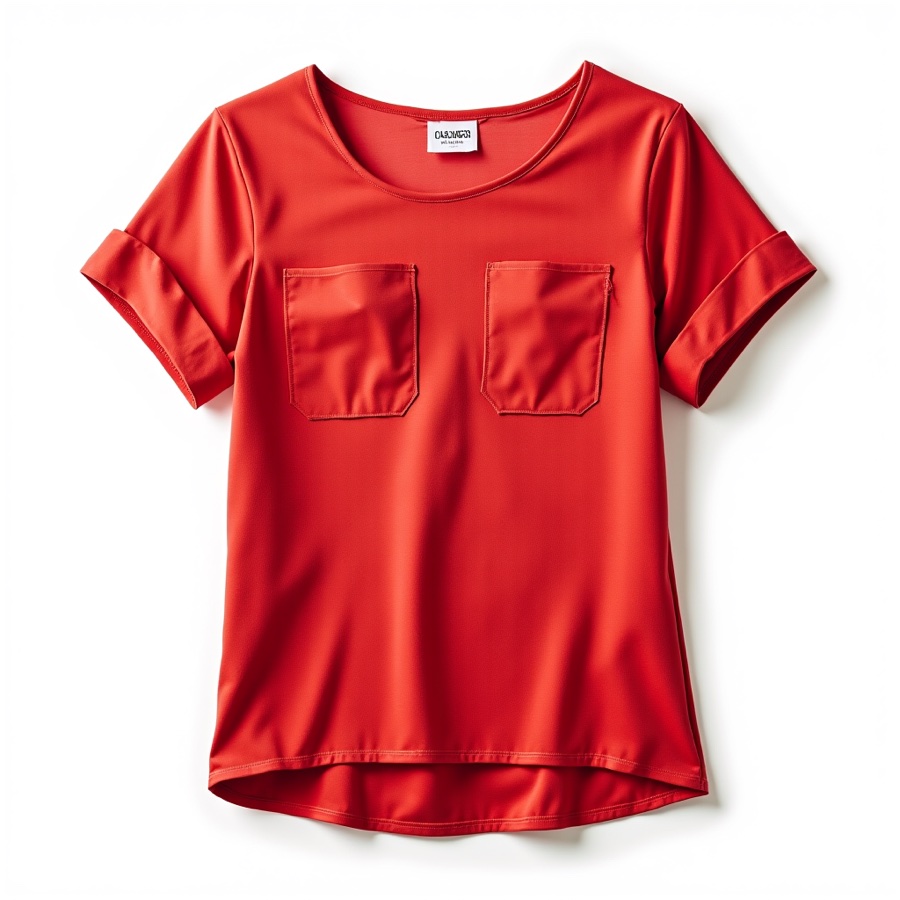
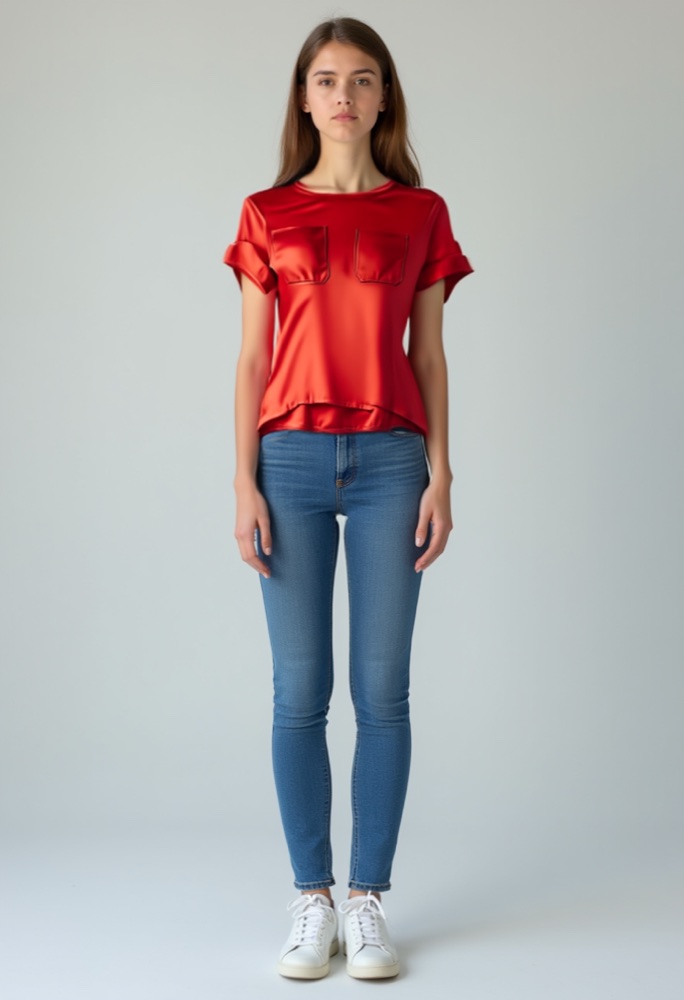
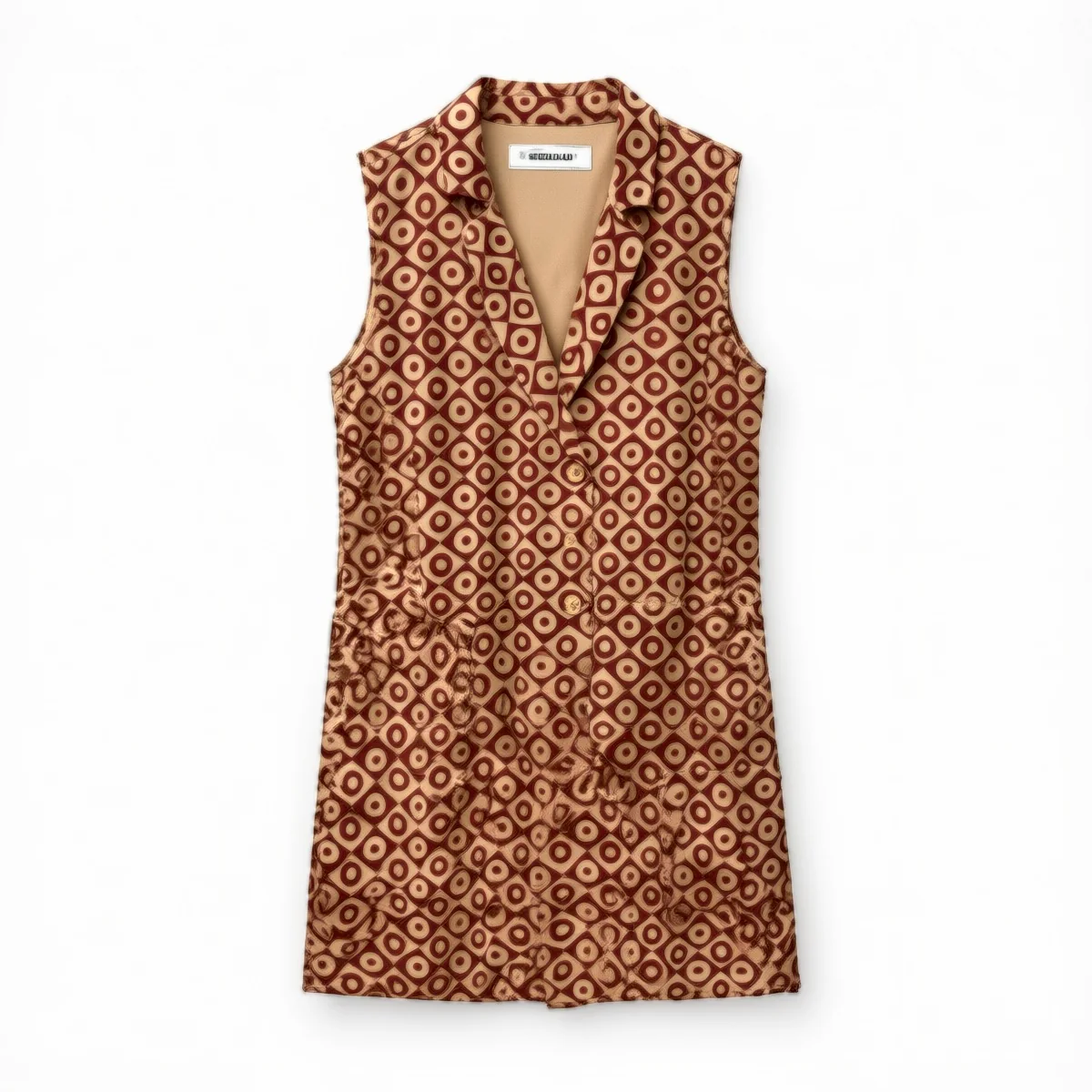
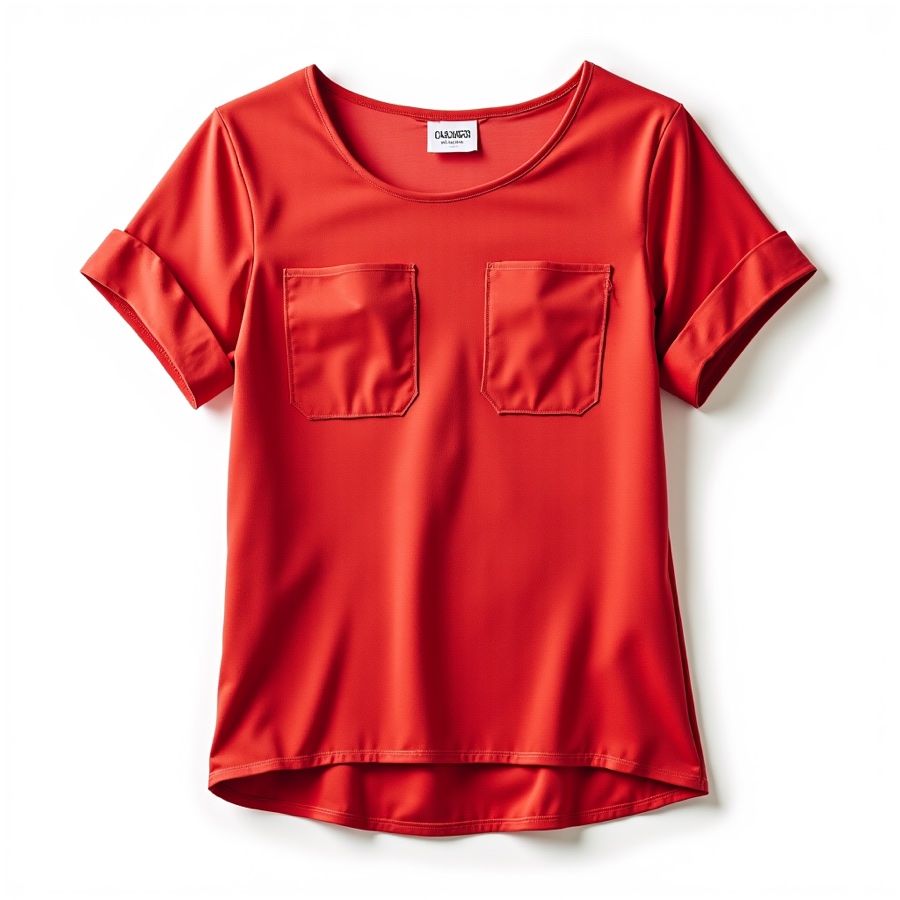
The red top retains the broad colour, two chest pockets and rolled-sleeve design. The generated neckline appears flatter, and the hem and proportions change on the model. These visible differences require a product review; this pair is not evidence of exact garment preservation. The image cannot establish physical fit, fabric weight or hidden construction.
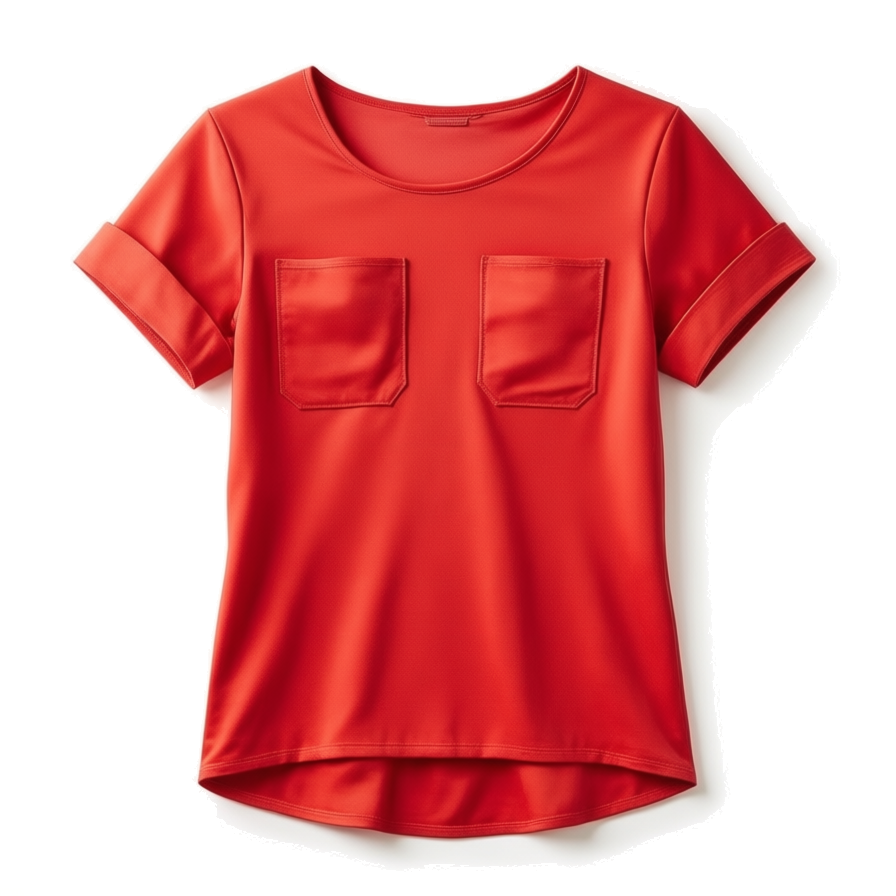
4 November 2026: one public demo garment, three still-image formats, four attempts. These are actual outputs from the connected collection workflow, generated with a dedicated internal test account. The input was already part of PixelAPI's public demo library. Its origin as a real physical garment is not established; this is a development fixture, not a merchant-product benchmark.
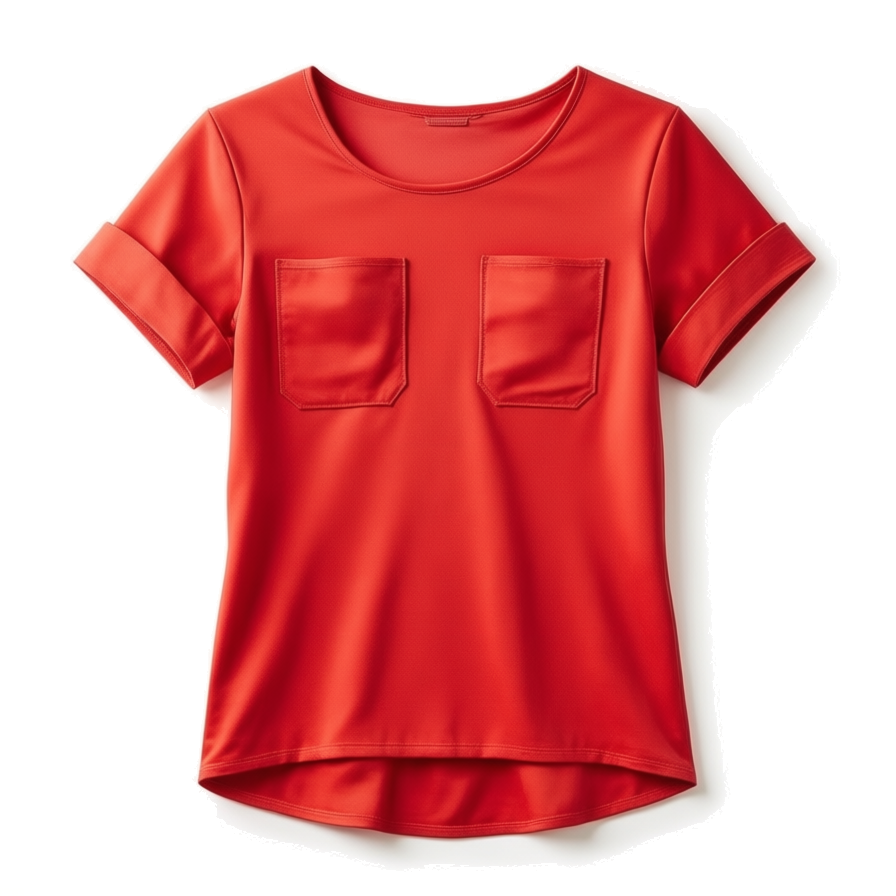
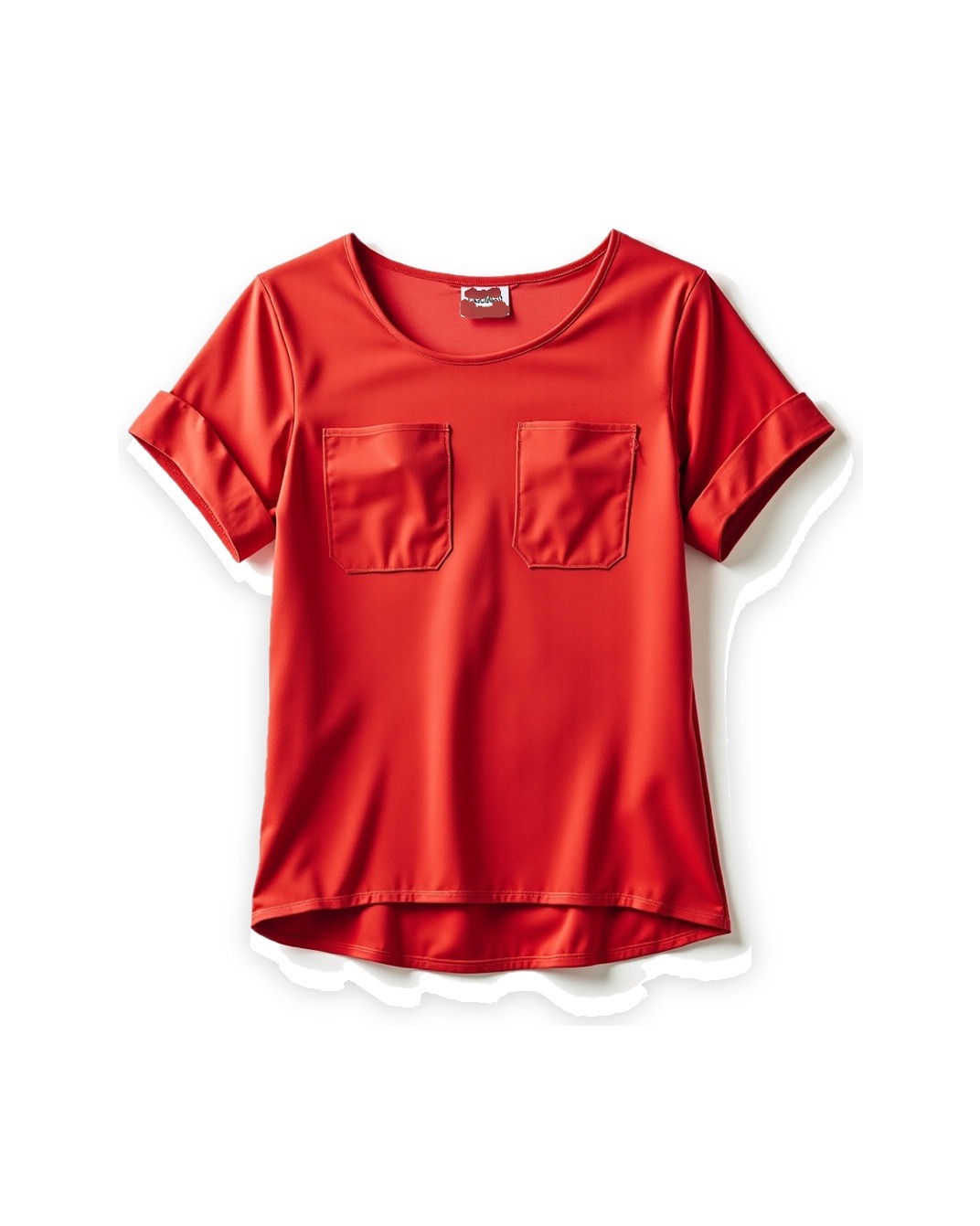
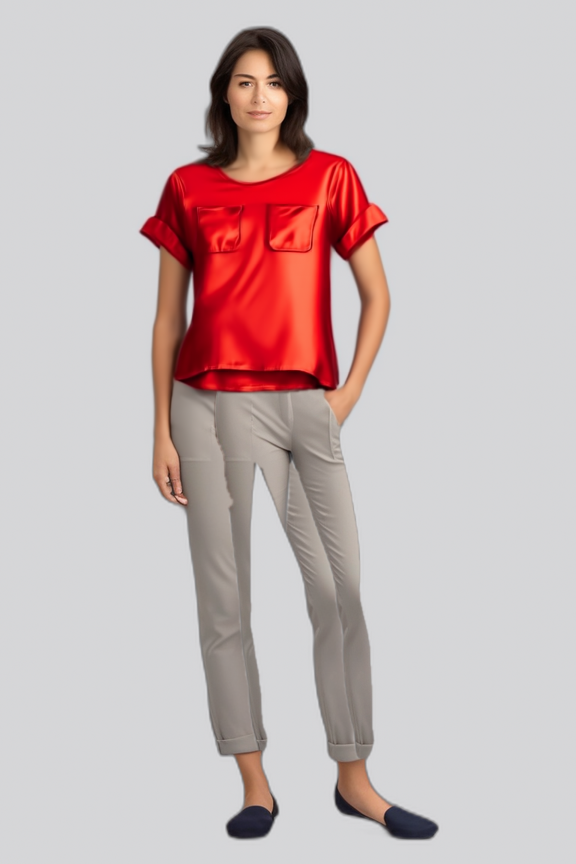
| Format | Attempts | Recorded credits | Recorded wait | Processing | Review |
|---|---|---|---|---|---|
| Flat lay | 1 | 10 | 234.8s | 227.4s | Needs correction |
| Ghost mannequin | 1 | 60 | 93.5s | 91.0s | Needs correction |
| On-model | 1 | 40 | 79.7s | 60.5s | Needs correction |
| Flat lay, public repeat | 1 | 10 | 64.9s | 57.3s | Needs correction |
All four outputs were delivered. None was approved for exact-product catalogue publication in this review. Total recorded generation credits: 120. Credits per approved output: unavailable because there are no approvals. Rejected outputs remain in the accounting; no quality-based refund was requested. Credits here are internal test usage, not money spent or a quoted customer price.
Review method: one agent compared the source and outputs visually; this is not blind or independent review. Review time was not measured reliably, so no reviewer-efficiency result is claimed. Recorded waits for this development run begin after initial input validation, include queue/execution and result synchronisation, and exclude upload time. The fresh public repeat includes initial request validation in its recorded wait. These four measurements are not a service-level promise or a comparison with another provider.
Video was not generated in this sample. The 20-garment, four-format evaluation is still incomplete. Pipeline corrections and repeat measurements are pending; no repaired-output success is claimed. These failures are shown so the limitations are visible rather than excluded from the sample.
The initial target is 20 distinct, permission-cleared garments across four formats: flat lay, ghost mannequin, on-model and video. The selection should cover solids, stripes, repeated prints, legible logos, embroidery, lace or sheer fabric, reflective detail, dark colours, light colours and complex silhouettes. A larger or repeat evaluation is needed before generalising.
A photograph cannot establish unseen garment geometry, exact fabric weight or physical fit. Generated interior and occluded details may be invented.
Small text, embroidery, repeated prints, transparency and hardware can change. A visually attractive output can still be unsuitable for a listing.
A good still does not prove a good video. Inspect colour, edges, logos and fabric throughout the clip.
Private originals, source fingerprints, immutable attempt settings, all generation attempts, merchant checklists, decisions, recorded credits, refunds, wait time and review time. A manifest supports an auditable review; it does not certify product accuracy.
Review your own collectionRead the measurement definitions